

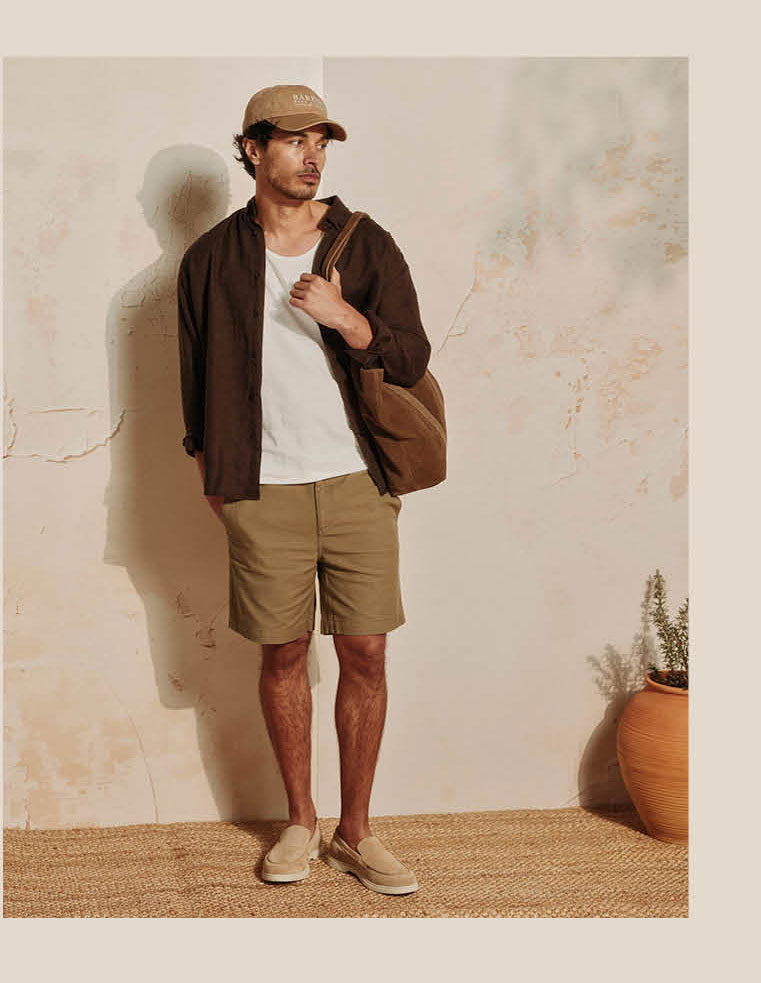
Linen has a few natural advantages when the temperature starts climbing. It allows plenty of air to move through the fabric, while also taking on moisture and helping it evaporate. So rather than sitting against your skin, moisture gets spread across the fabric and has a better chance of drying out. In other words, linen is pretty good at dealing with heat and sweat. Two things you generally want less of when the temperature rises. It's lightweight, too, making it an easy choice when the last thing you want is a heavy layer between you and the sun.

EVERYTHING YOU NEED TO KNOW ABOUT LINEN
There are plenty of fabrics you can wear when the temperature climbs. Linen is the one that seems to make the most sense.
Light, breathable and naturally good at managing moisture, it has a habit of making hot days feel a little easier. Good for weddings, weekends away, backyard barbecues and pretty much anywhere else summer takes you. Made from the fibres of the flax plant, linen has been keeping people cool for thousands of years.
It's breathable, naturally good at managing moisture and light enough to make hot days considerably more bearable. There's a reason we keep coming back to it when the weather warms up.

WHAT ACTUALLY IS LINEN?
Linen starts with flax. The long fibres in the stem of the plant are separated, spun into yarn and woven into fabric. What you end up with is a cloth that feels light but has plenty of strength behind it. Flax is one of the stronger natural fibres, which gives linen the durability to stand up to plenty of wear without losing the character that makes it linen in the first place. The texture is part of the appeal, too. Linen has a naturally crisp, slightly uneven feel that softens over time. It doesn't have much stretch, so it naturally picks up a few creases along the way. Light, strong and better for a bit of wear.
WHY DOES LINEN WORK SO WELL IN WARMER WEATHER?
YES, IT CREASES
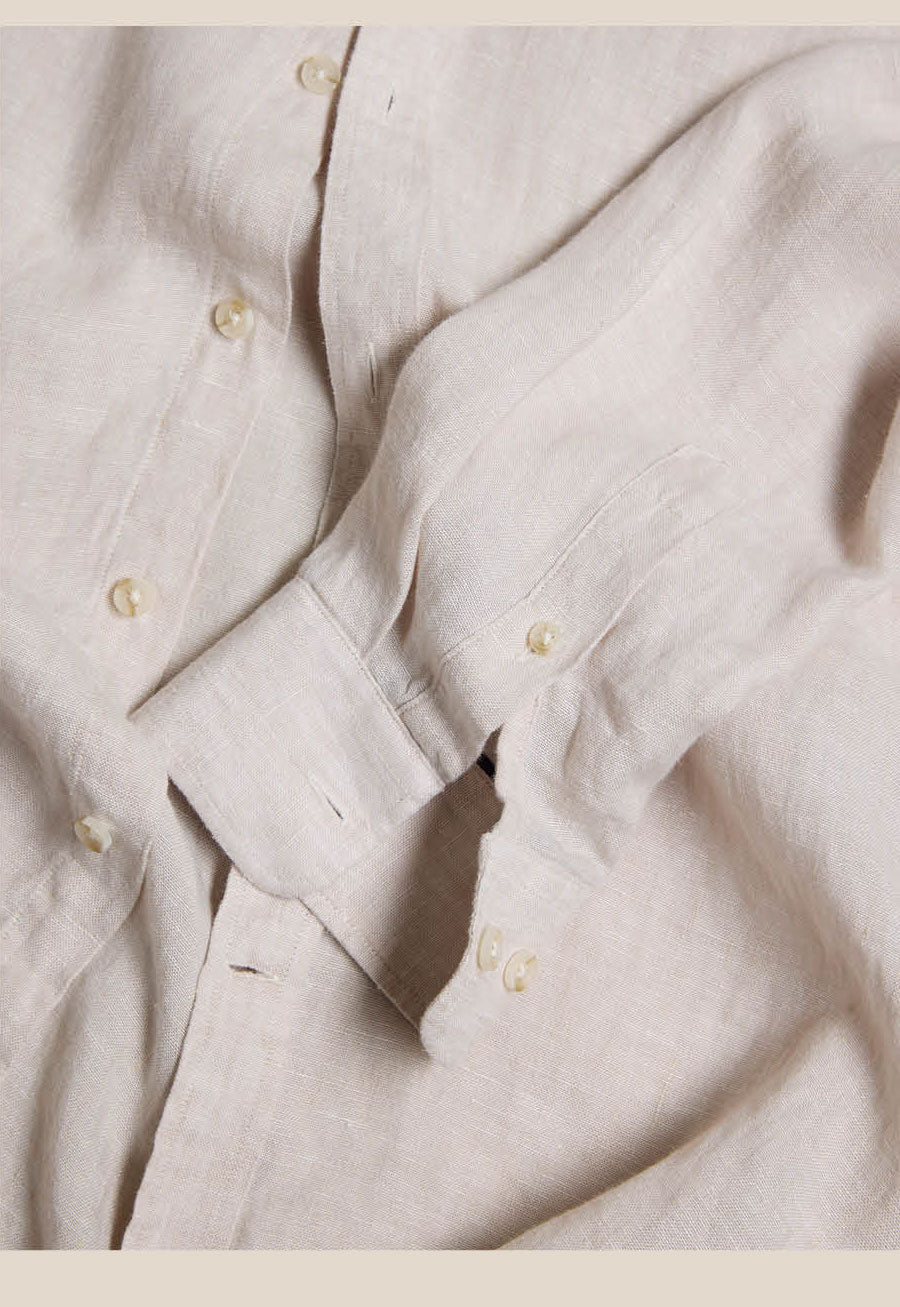
Let's address the obvious. Linen creases. That's just what it does. Flax fibres don't have much stretch, so they don't spring back into place like some other fabrics. The result is that familiar rumpled look linen is known for. That's part of the appeal. Linen looks better a little lived in. A few creases aren't something to worry about. If anything, they're part of its charm.

LIGHT ON THE BODY. BUILT FOR PLENTY OF WEAR
Linen has a reputation for being delicate. It’s actually quite the opposite. Flax is
one of the stronger natural fibres, which gives linen the strength to handle regular
wear and washing. So while it feels light and relaxed, it’s more than capable of
keeping up with the rest of your wardrobe. Lightweight doesn’t mean precious.
AND THEN THERE’S THE WAY IT AGES
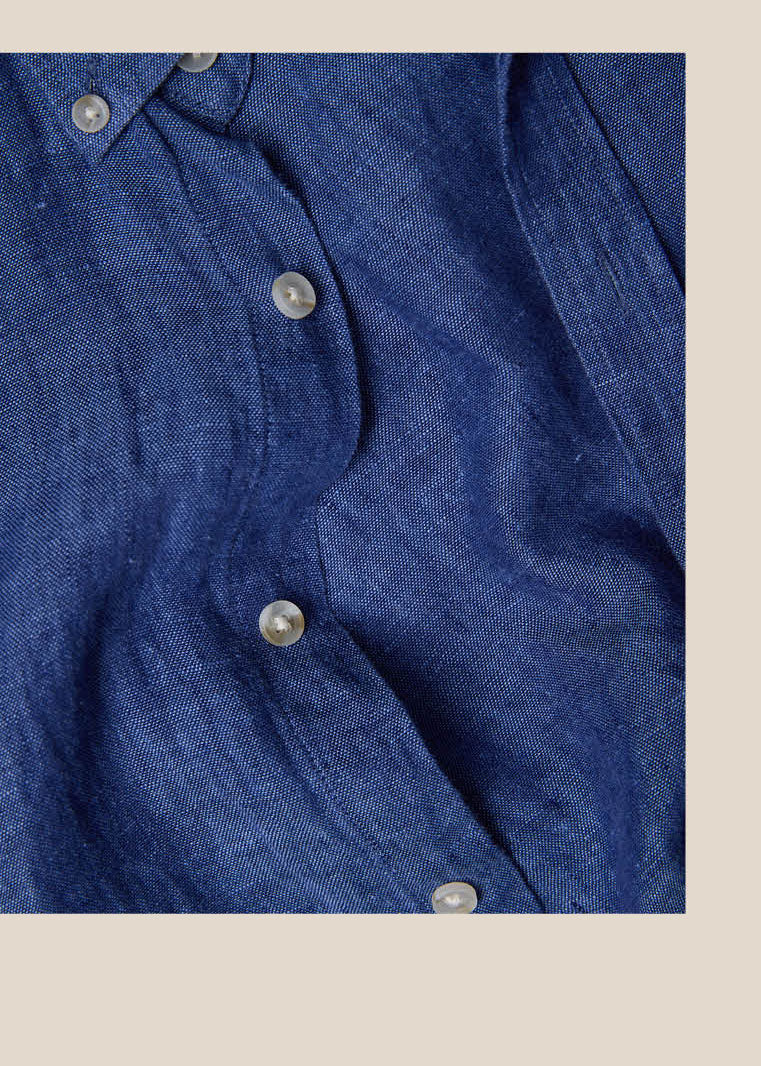
Linen is one of those fabrics that gets better with a bit of wear. With regular washing and use, the fibres soften, giving the fabric a softer, more relaxed feel over time. It also doesn't lose what makes it appealing in the first place. The natural texture stays, the creases become part of the look and the whole thing starts to feel a little less fresh off the rack and a little more lived in. That's what makes linen different. It doesn't need to stay looking brand new to look good. In fact, it's probably better when it doesn't. Wear it often. Wash it regularly. Let it get better with age.
ONE FOR THE HISTORY BUFFS
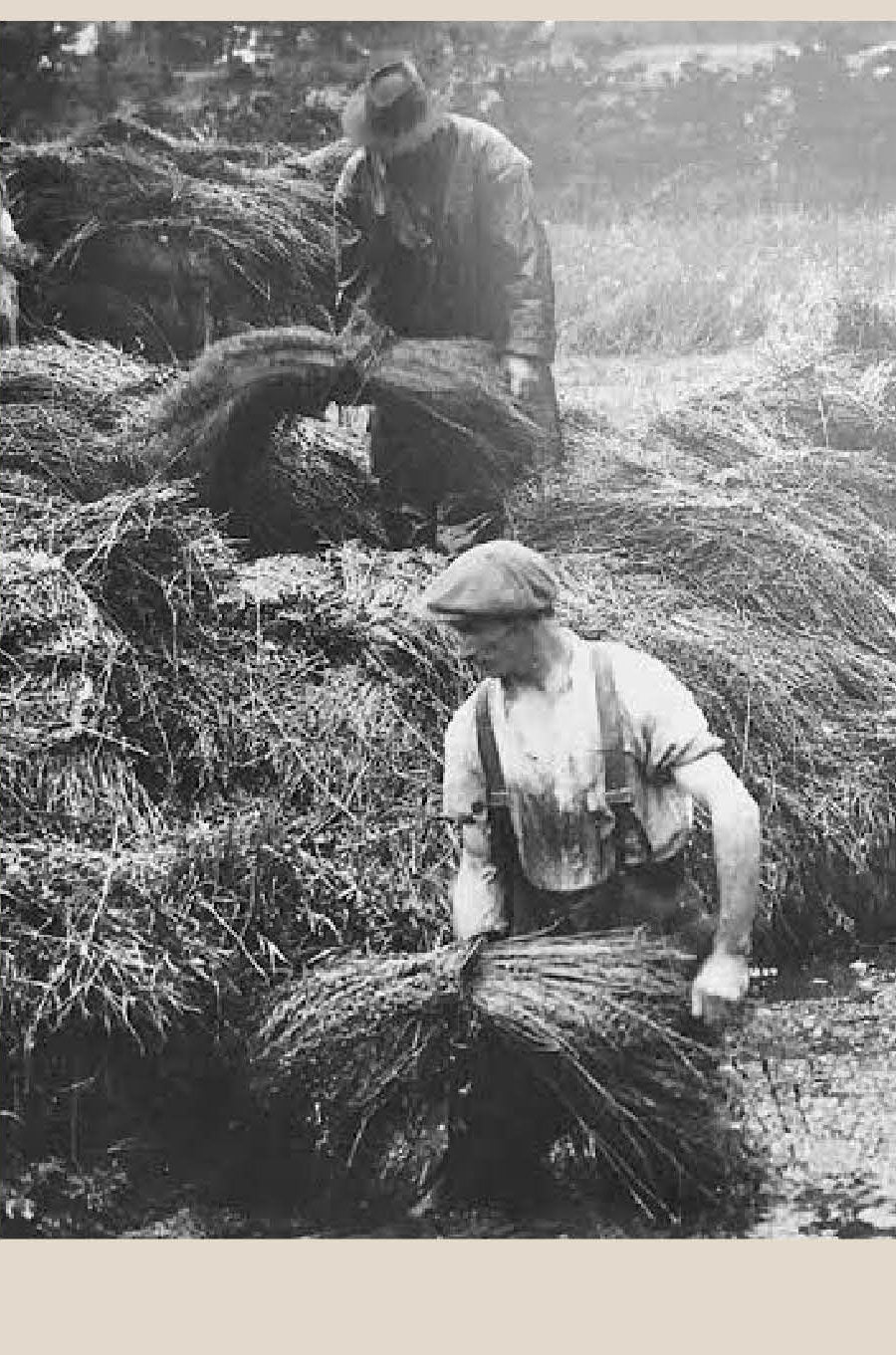
Linen has been around for a while. A very long while. People have been turning flax into linen for thousands of years, with some of the earliest known examples dating back to ancient Egypt around 3100 BC. It was used for everything from clothing to household textiles, with finer linen reserved for those with the means to afford it. Fast forward a few thousand years and not much has changed. When the temperature goes up, linen still makes a pretty good case for itself. Turns out, some things were figured out a long time ago.

OUR TAKE ON LINEN
At Barkers, we like fabrics that don't need to work too hard to look good. That's part of the appeal of linen.
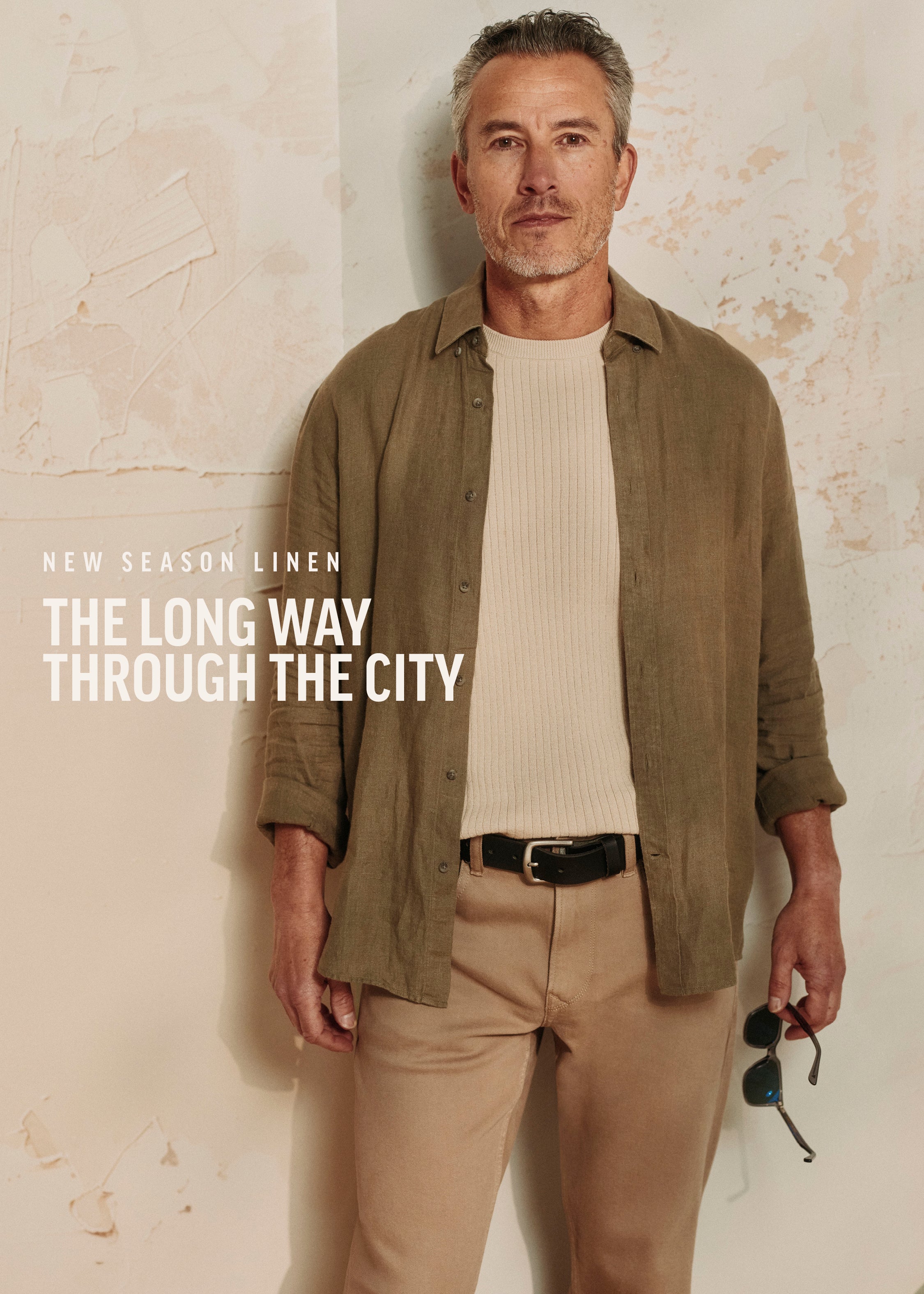
It has a natural texture, an easy feel and enough presence to make an outfit without asking for much in return. From easy linen shirts and shorts to relaxed trousers and sharper tailoring, there's more than one way to wear it. The good news is, none of them require too much thought.
For a few ideas on how to put it together, check out our How to Style: Linen Guide.
And because linen only gets better with a bit of wear, there's no need to keep it looking pristine. A few creases are part of the deal. Keep it simple. Let the fabric do the work.
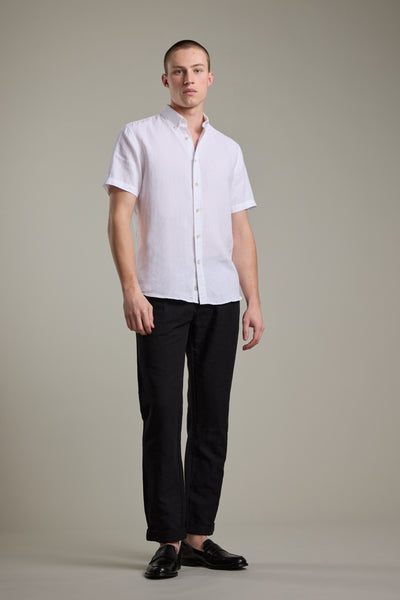
Gentry French Linen Shirt
Sale price$139.99
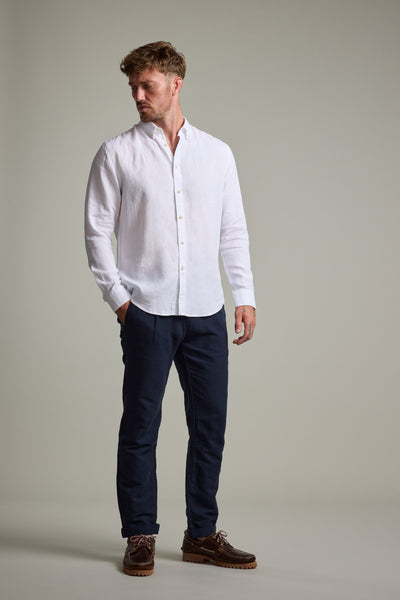
Dorset French Linen Shirt
Sale price$149.99
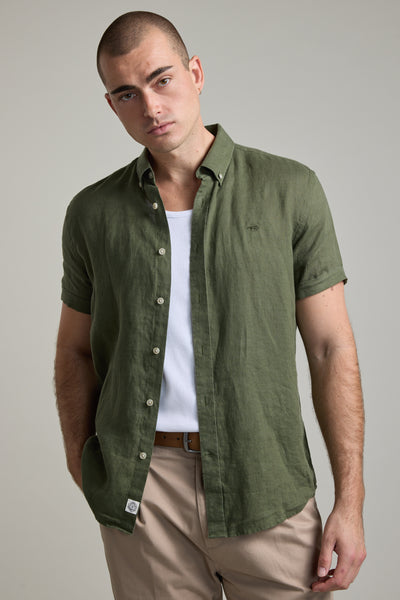
Gentry French Linen Shirt
Sale price$139.99
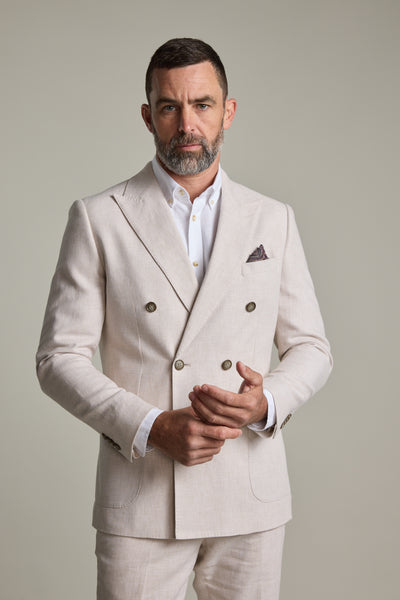
Somerton Linen Double Breasted Blazer
Sale price$369.99
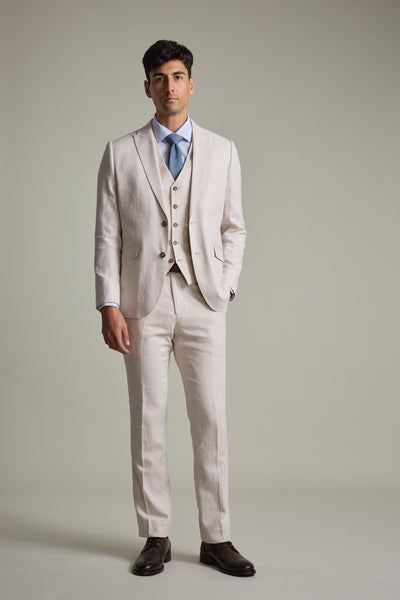
Somerton Linen Blazer
Sale price$349.99
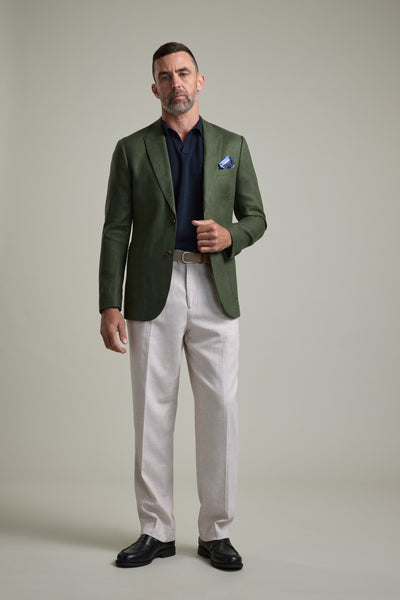
Harison Linen Blazer
Sale price$379.99
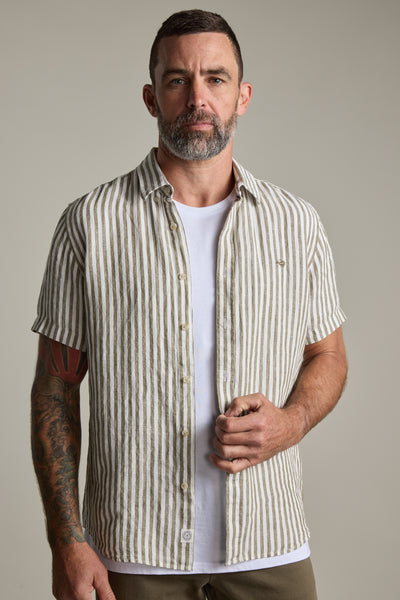
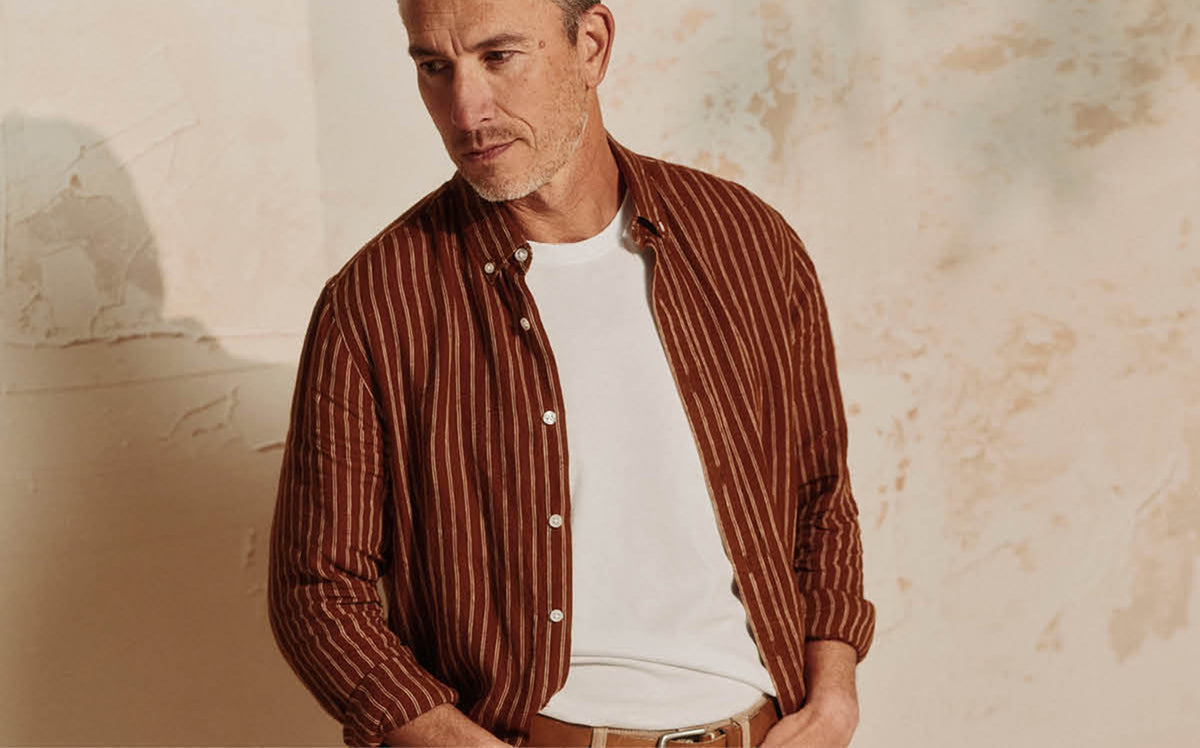
Gentry Stripe French Linen Shirt
Sale price$139.99
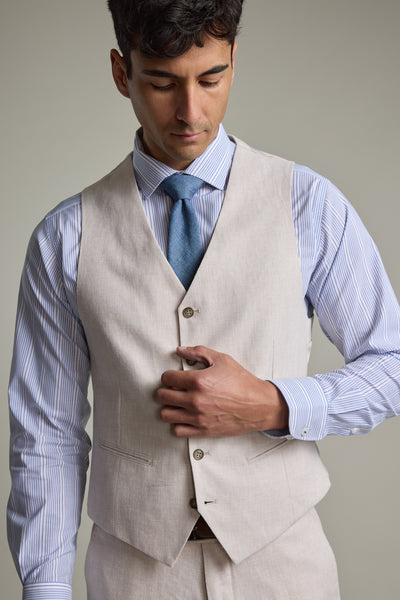
Somerton Linen Texture Waistcoat
Sale price$149.99
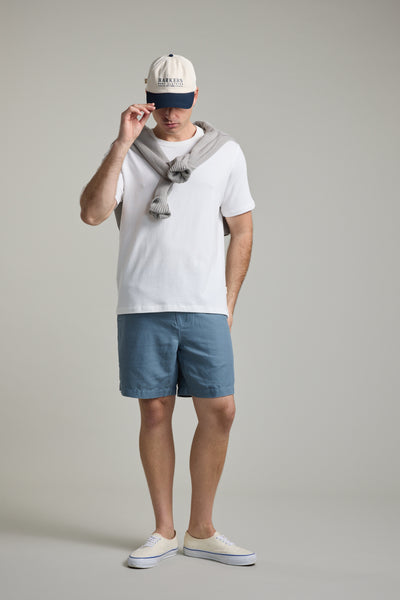
Jasper Linen Weekend Short
Sale price$119.99
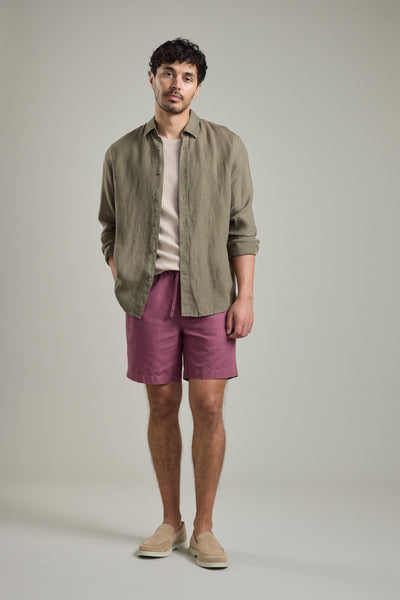
Jasper Linen Weekend Short
Sale price$119.99
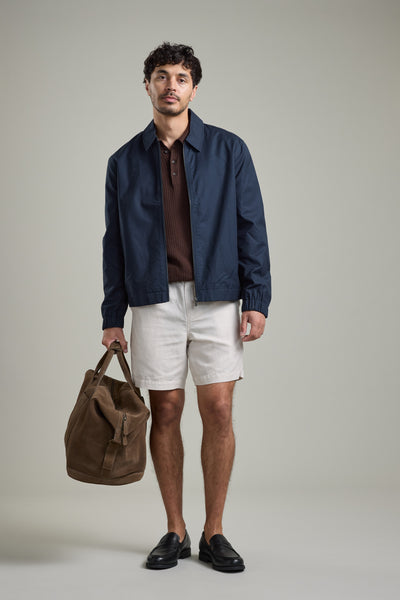
Jasper Linen Weekend Short
Sale price$119.99
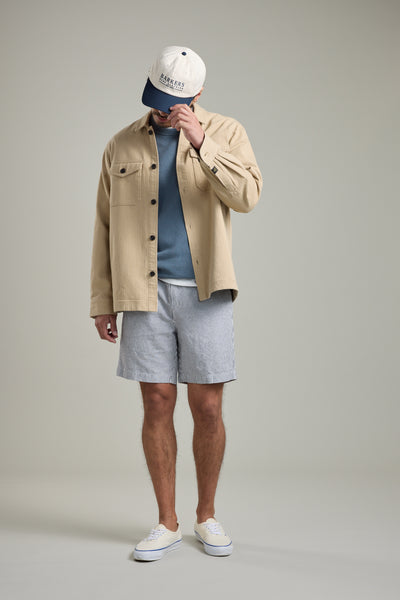
Jasper Linen Weekend Short
Sale price$119.99
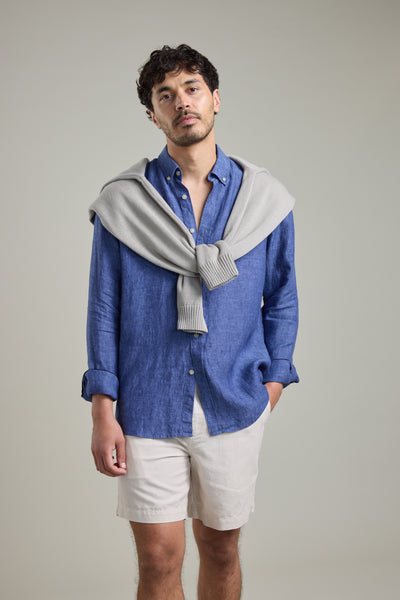
Dorset French Linen Shirt
Sale price$149.99
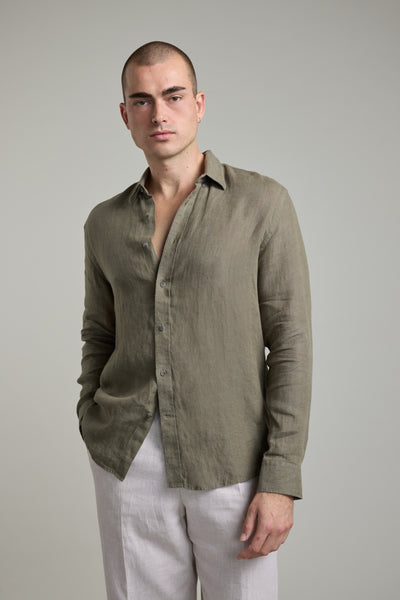
Dorset French Linen Shirt
Sale price$149.99
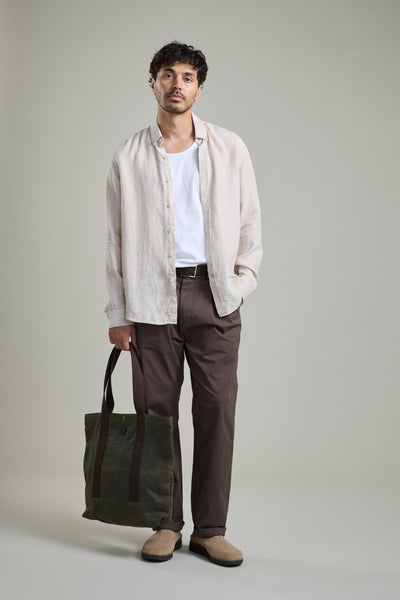
Dorset French Linen Shirt
Sale price$149.99
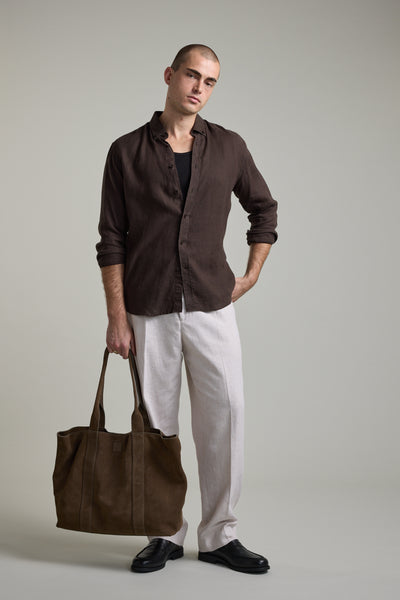
Dorset French Linen Shirt
Sale price$149.99
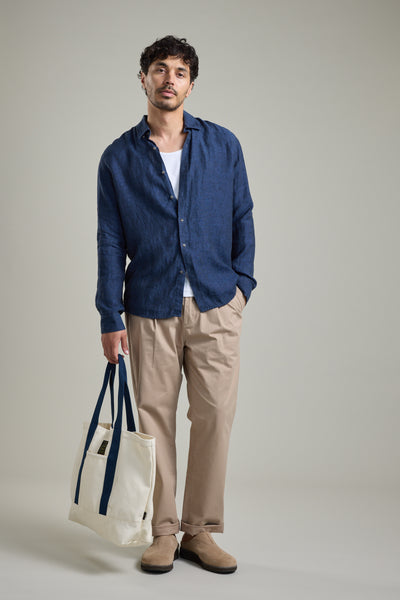
Dorset French Linen Shirt
Sale price$149.99
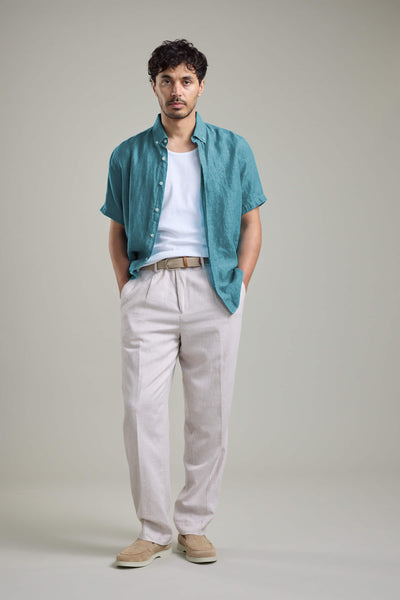
Gentry French Linen Shirt
Sale price$139.99
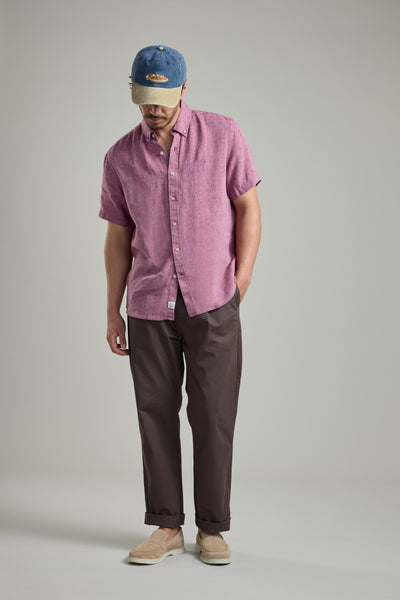
Gentry French Linen Shirt
Sale price$139.99
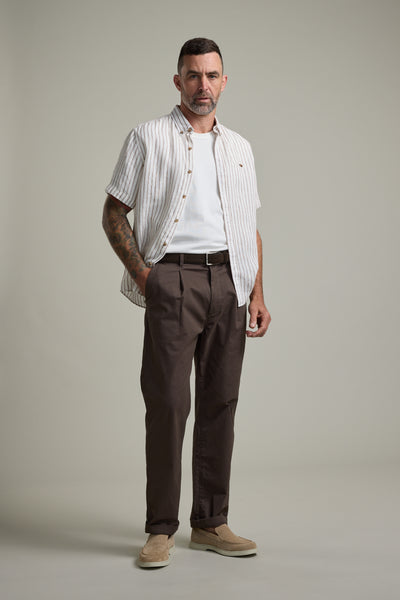
Gentry Stripe French Linen Shirt
Sale price$139.99
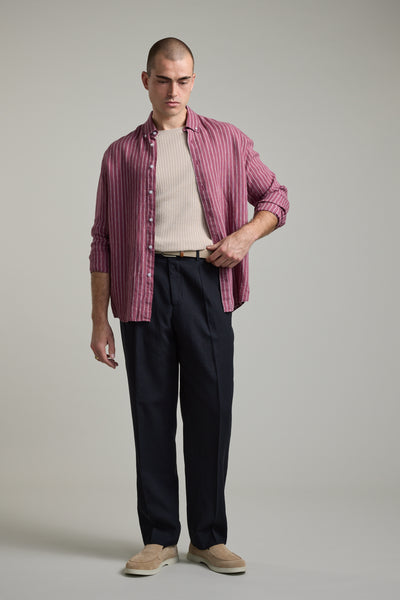
Dorset Stripe French Linen Shirt
Sale price$149.99
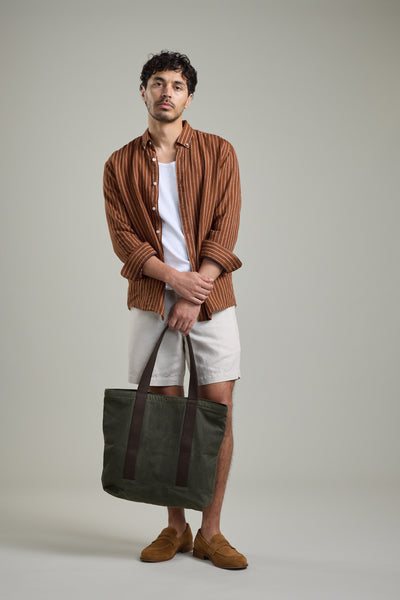
Dorset Stripe French Linen Shirt
Sale price$149.99
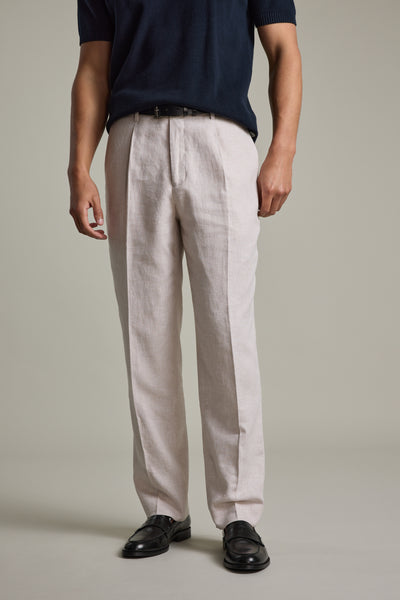
Somerton Linen Pleated Pant
Sale price$229.99
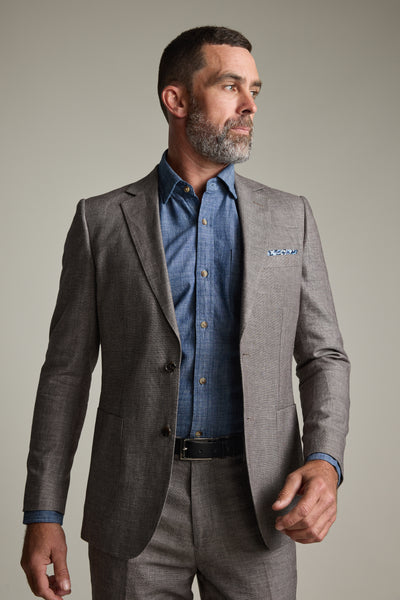
Linden Texture Blazer
Sale price$349.99
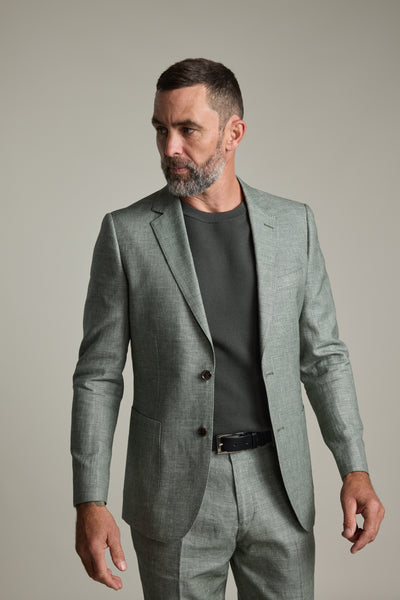
Linden Texture Blazer
Sale price$349.99
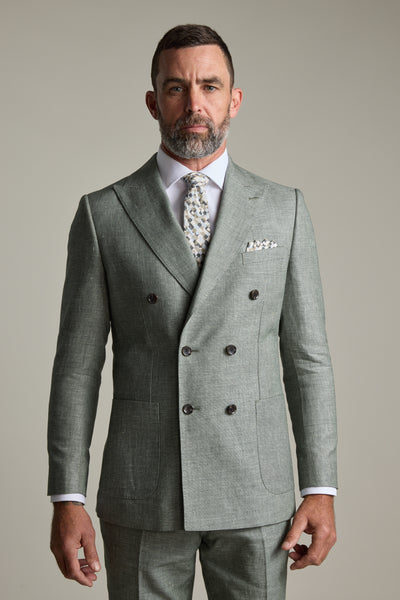
Linden Texture Double Breasted Blazer
Sale price$379.99
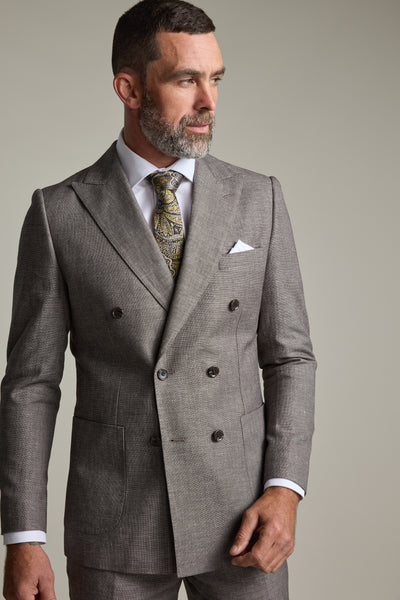
Linden Texture Double Breasted Blazer
Sale price$379.99
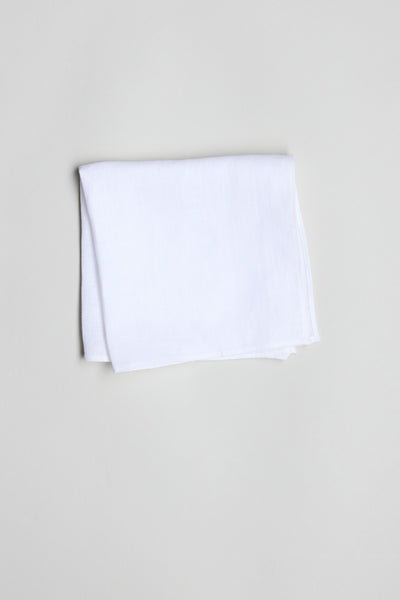
Dorset Linen Pocket Square
Sale price$19.99